
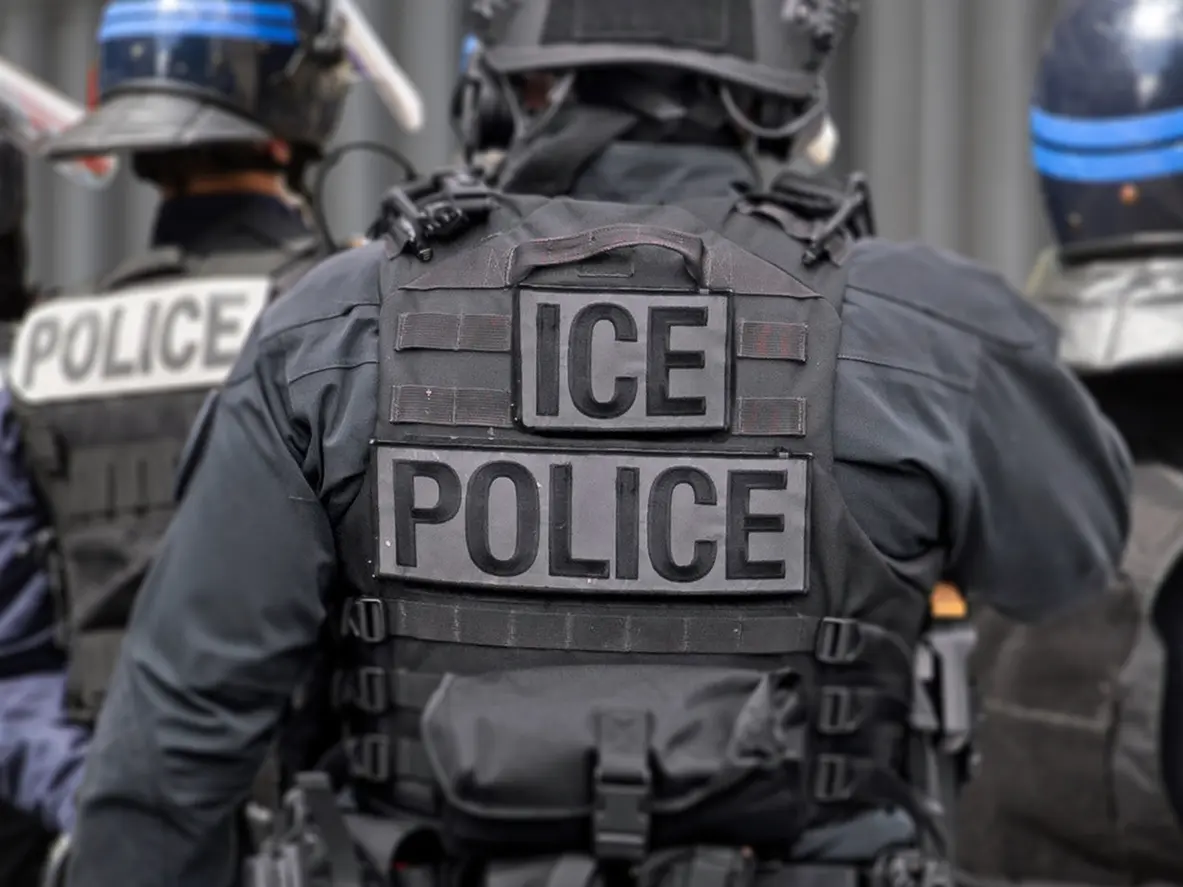
If you or someone you love has experienced excessive force at the hands of Immigration and Customs Enforcement (ICE) agents, you may feel powerless. The law provides avenues for seeking accountability and compensation — but recent court decisions and complicated federal procedures make these cases especially challenging.
At My Michigan Defense Lawyer, our civil rights attorneys understand the intricacies of suing federal agents and can help you take the right steps from day one.
There are two main legal avenues when suing ICE or other federal agents for excessive force:

Many ICE actions involve collaboration with state or local police. These joint operations create complicated questions about liability and which legal path applies. The officers' status (federal vs. state) and the specific actions they took matter. Cross-deputization agreements may blur these lines — but your right to seek accountability remains. Our attorneys are experienced in analyzing these complex fact patterns and determining the best course of action.
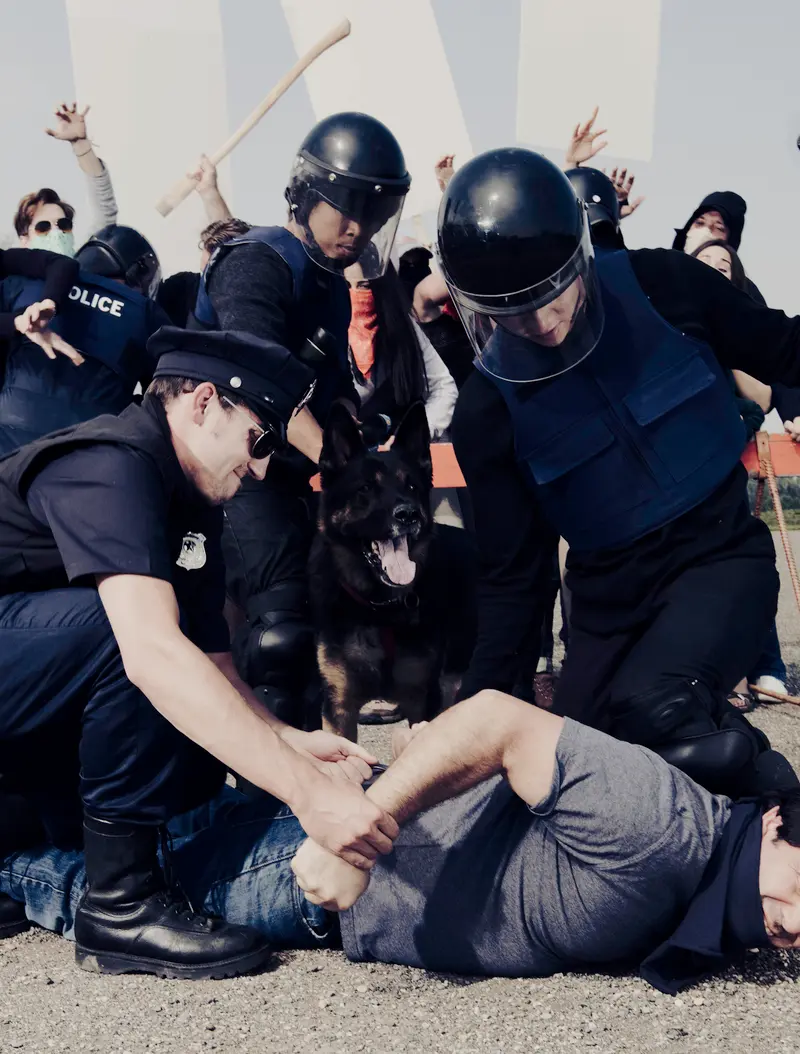
Your actions immediately following an incident are critical.
· Get care right away and ensure injuries are officially recorded.
· Take photographs as soon as possible and continue to document changes.
· Secure video footage from bystanders, your phone, or security cameras.
· Write down names, badge numbers, and agency affiliations of all officers.
· Record everything you remember about the incident while the details are fresh.
· The DHS Office of Inspector General (OIG) and Office for Civil Rights and Civil Liberties (CRCL) accept complaints about ICE and CBP misconduct.
· Filing a complaint creates an official record, but does not extend the deadline to sue.
· The FTCA generally requires you to file an administrative claim within two years of the incident.
· Bivens and § 1983 claims also have strict deadlines (often two years in Michigan).
· An experienced attorney can preserve your rights and evaluate all possible claims.
Our attorneys have decades of experience in complex civil rights litigation, including cases against federal agencies and officers. We know how to:
We understand the obstacles — and how to overcome them. If you’ve been harmed by ICE or other federal agents, you’re not alone. Let us fight for the justice you deserve.

In most cases, you cannot sue ICE agents personally for constitutional violations due to recent court decisions restricting Bivens claims. However, you can usually pursue a claim against the federal government under the FTCA.
The FTCA requires that you file an administrative claim within two years of the incident. Bivens or § 1983 claims in Michigan also generally have a two-year statute of limitations.
If state or local officers participated, you may also have claims under 42 U.S.C. § 1983 for civil rights violations under color of state law.
No. Filing these complaints may trigger an internal investigation, but it does not extend any legal deadlines or serve as a substitute for filing a lawsuit.
If successful, you may recover damages for physical and emotional injuries, medical costs, lost wages, and more. Each case is unique — our lawyers will fight for the maximum recovery.